
Benefits & Structural Objectives of Functional Cosmetic Rhinoplasty

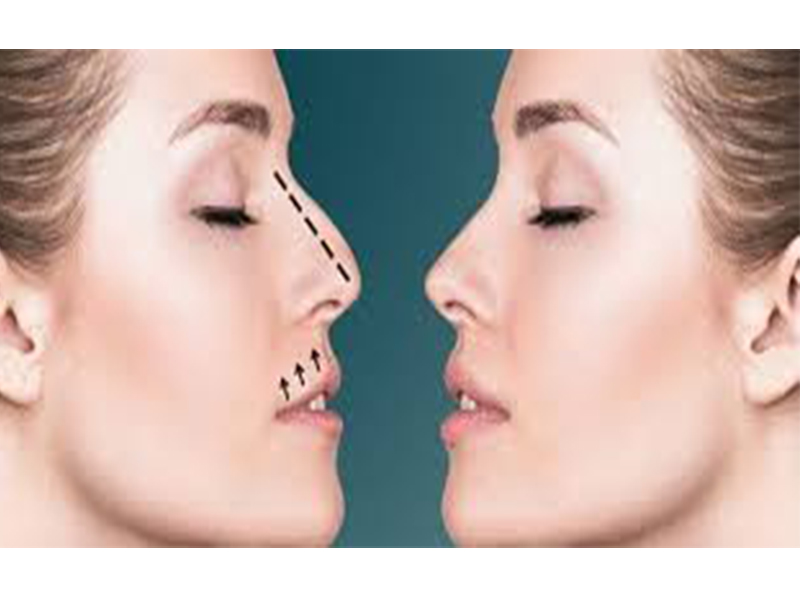
Functional cosmetic rhinoplasty combines refined aesthetic facial proportion with comprehensive upper airway optimization. Under the dual surgical leadership of Dr. Reyhaneh Heidari—Associate Professor of Otolaryngology and Stanford Sleep Medicine alumnus—patients achieve organic facial elegance alongside lifelong, unobstructed respiratory health.
The Dual Imperative: Aesthetics and Airway Physiology
A rhinoplasty procedure should never improve profile beauty at the expense of breathing performance. Many individuals seeking nasal surgery present with undetected functional deficits, including septal deviations, enlarged inferior turbinates, or internal nasal valve collapse.
Because the nose serves as the primary conduit for airway resistance, olfaction, and humidification, narrowing the nasal dorsum without restoring internal valve dynamics can result in severe post-operative breathing difficulties. By conducting comprehensive pre-operative evaluations—including high-definition nasal endoscopy and acoustic rhinometry—Dr. Heidari diagnoses internal obstructions and corrects them concurrently during the aesthetic sculpting procedure.
Key Functional ENT Corrections Performed Concurrently
- Septoplasty (Structural Septal Reconstruction): Straightening deviated septal cartilage and bony deflections to restore symmetrical bilateral airflow.
- Radiofrequency Coblation Turbinoplasty: Reducing hypertrophied submucosal tissue of the inferior turbinates while preserving normal ciliated respiratory mucosa.
- Internal Valve Spreader Grafts: Positioning longitudinal cartilaginous grafts between the septum and upper lateral cartilages, widening the critical nasal valve angle to prevent inspiratory collapse.
- Alar Batten & Rim Grafts: Reinforcing weak external alar sidewalls to prevent dynamic pinching during deep inhalation.
Comparison: Cosmetic Rhinoplasty vs. Functional Septorhinoplasty
The 7-Day Care Protocol for International Patients in Tehran
-
1
Day 1: Arrival & Endoscopic Airway Examination
VIP transfer from Tehran IKA. In-clinic diagnostic video endoscopy of nasal valves, septum, and turbinates combined with 3D aesthetic simulation.
-
2
Day 2: Combined Functional Septorhinoplasty
Surgery performed in an accredited Tehran hospital. Soft silicone airway internal splints allow immediate nasal breathing. Discharge to hotel within hours.
-
3
Days 3–5: Saline Irrigation & Hotel Recovery
Head elevated, cold compresses applied to cheeks. Dedicated WhatsApp monitoring by our clinical concierge assists with comfort and local concierge services.
-
4
Day 6–7: Internal & External Splint Removal & Fit-to-Fly Clearance
Gentle in-clinic removal of external thermoplastic splint and silicone internal airway splints. Immediate deep nasal breathing is experienced. Airline fit-to-fly certificate issued.
Clinical Frequently Asked Questions (FAQ)
Can snoring and sleep apnea really be cured by functional rhinoplasty?
Nasal airway obstruction is a major co-factor in snoring and obstructive sleep apnea because increased nasal resistance forces mouth opening, causing tongue retroversion. Correcting septal deviations and turbinate hypertrophy restores natural nasal breathing, significantly decreasing snoring and sleep fragmentation.
What prevents the nasal valve from collapsing years after surgery?
Dr. Heidari reconstructs the internal nasal valve using autologous cartilaginous spreader grafts. These act as structural load-bearing beams that permanently widen the angle between the septum and nasal roof, preventing negative-pressure inspiratory collapse.
How soon will I be able to breathe freely after surgery?
Dr. Heidari utilizes modern hollow silicone airway splints rather than traditional painful cloth gauze packing, allowing partial airflow from Day 1. Once splints are removed on Day 6 or 7 and mucosal crusting resolves, clear and effortless nasal breathing is fully realized.
Experience Natural Beauty and Restful Breathing
Consult directly with Dr. Reyhaneh Heidari via WhatsApp (+98 919 753 2080) to review your breathing concerns, aesthetic goals, and travel scheduling options.
Have a Question or Wish to Have Your Case Evaluated?
Send your facial photographs and medical history directly to Dr. Reyhaneh Heidari via WhatsApp for an accurate clinical assessment and bespoke surgical plan before traveling to Tehran.
 Medical Guide
Fleshy Nose Rhinoplasty: Surgical Challenges & Structural Techniques
Learn how thick-skinned (fleshy) rhinoplasty achieves lasting definition. Dr. Reyhaneh Heidari explains structural grafting,...
Read Full Article Medical Guide
Rhinoplasty in Tehran: Comprehensive Guide, Techniques & Costs
Explore the authoritative clinical guide to rhinoplasty in Tehran with Dr. Reyhaneh Heidari. Discover...
Read Full Article Medical Guide
Genioplasty & Chin Surgery: Techniques and Aesthetic Facial Harmony
Understand the role of genioplasty and chin surgery in achieving balanced facial harmony. Explore...
Read Full Article